 murmur
Kamo Kurabeuma (Horse Race Ritual) at Kamigamo Shrine
Kyoto City · Kamigamo Shrine (Kamowakeikazuchi Jinja)
Dates and details can change. Always check the official website before you go.
Kamigamo Shrine (Kamowakeikazuchi Jinja) · Last checked: Oct 10, 2026
Dates
Dates confirmed with official sources
- 2026
- Tue, May 5, 2026 (Ended)
- 2027
- Dates have not been announced yet. Please check the official website.
- Usual timing
- Usually early May
- How the date is set
- Every year on May 5 Rites begin at 10 a.m.; the races start around 2 p.m.
- Venue
- Kamigamo Shrine (Kamowakeikazuchi Jinja)
- City
- Kyoto City, Kyoto

About
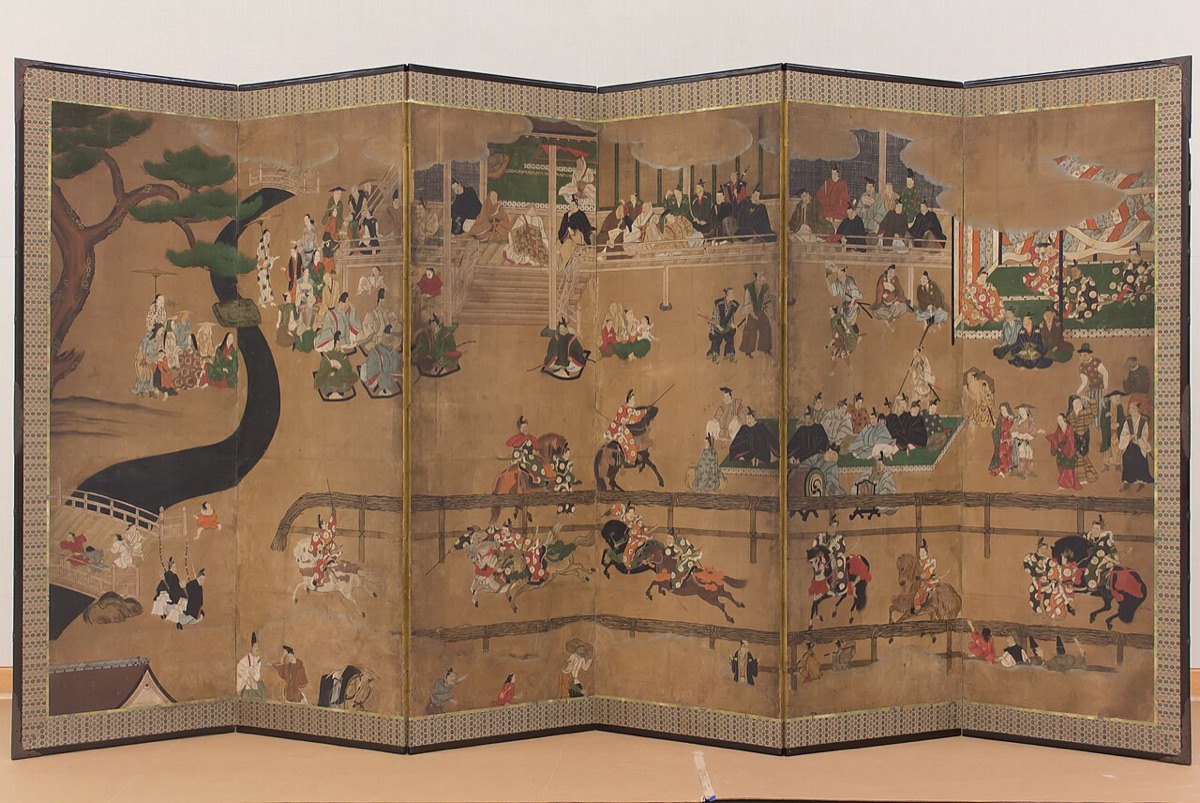
On May 5, riders in court costume race horses in pairs along the riding ground of Kamigamo Shrine. The riders, called norijiri, form a left and a right team, dressed in the bugaku dance costumes known as dakyu and komaboko. After early-morning rites, including moving the deity to a temporary hall and an iris-root contest, they ride up to the shrine and complete a sequence of ceremonies, from a ceremonial toast and the sun- and moon-pattern rides to purification and offerings, before the racing begins. It goes back to 1093, when Emperor Horikawa had a race once held at the palace's Butokuden hall, a prayer for peace and good harvests, moved to this shrine. The scene appears in Tsurezuregusa, and the ritual is a registered Intangible Folk Cultural Property of Kyoto City. A trial on May 1 decides the racing order. There is a fee to watch.
Sources
- OfficialKamigamo Shrine (Kamowakeikazuchi Jinja) www.kamigamojinja.jp
- OfficialKamigamo Shrine (Kamowakeikazuchi Jinja) www.kamigamojinja.jp
Last checked: Oct 10, 2026. Event information is based on official announcements, but changes may not always be reflected here. Please check each official website for accurate details.
Other events this month
On the day, see what locals are murmuring on the murmur map
murmur is an app that shows short, anonymous posts on a map, right where they were written. On festival day, open the map around the venue and see what people nearby are saying.