 murmur
Hachinohe Sansha Taisai Festival
Hachinohe City · Central Hachinohe
Dates and details can change. Always check the official website before you go.
VISIT Hachinohe · Last checked: Oct 10, 2026
Dates
Dates confirmed with official sources
- 2026
- Jul 31 – Aug 4, 2026 (Ended) July 31 eve festival, August 1 outbound procession, August 2 middle day, August 3 return procession, August 4 closing night
- 2027
- Dates have not been announced yet. Please check the official website.
- Usual timing
- Usually late July
- How the date is set
- Every year, July 31 – August 4
- Venue
- Central Hachinohe
- City
- Hachinohe City, Aomori

About
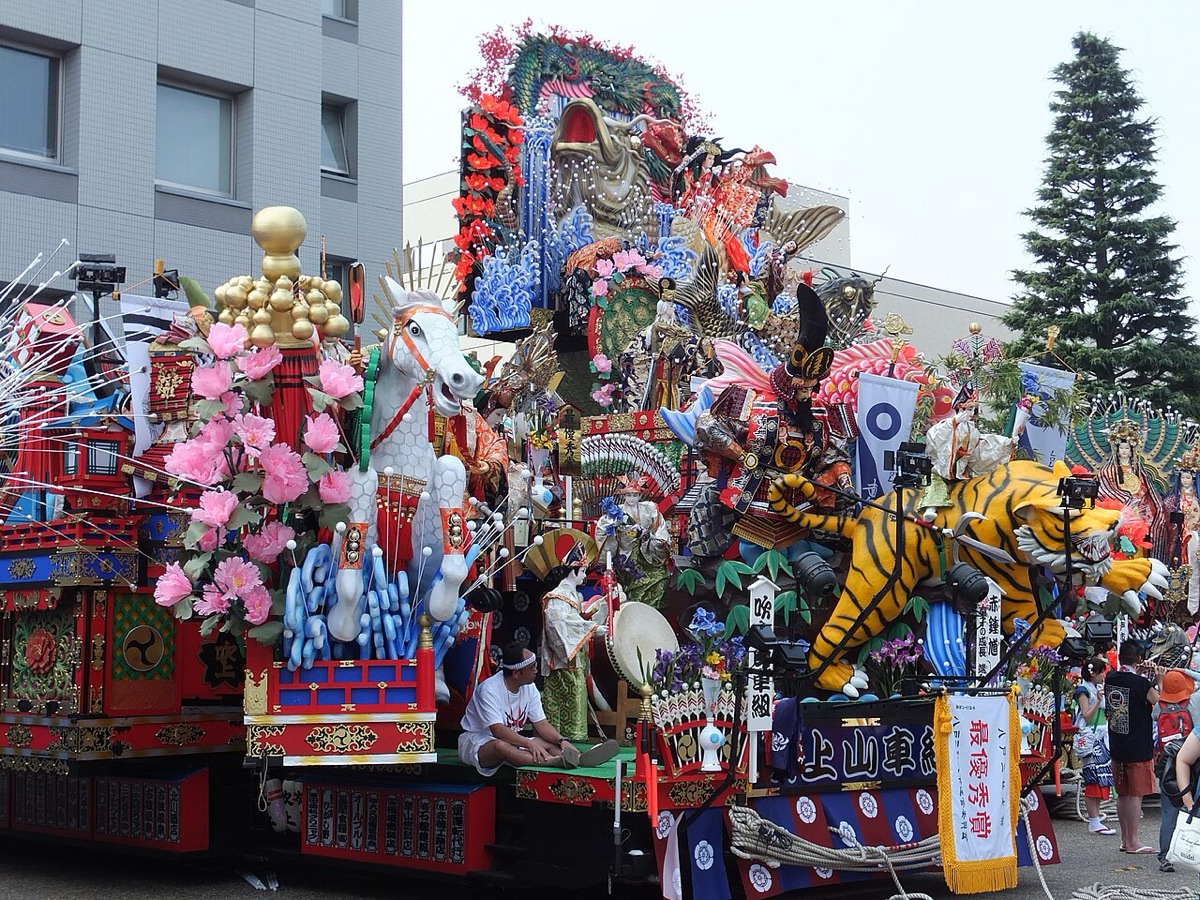
Three Hachinohe shrines, Shinmeigu, Chojasan Shinra Shrine and Ogami Shrine, hold their annual rite together in this festival, the largest in the Hachinohe area, with roughly 300 years of history. It runs for 5 days, from July 31 to August 4, and attracts more than a million people. Downtown, time-honored shrine processions and tiger dances lead the way for 27 floats. Each group builds a new float every year, drawing on folk tales, kabuki and other stories, and competes to make theirs the most impressive, so comparing them is half the fun. On the eve and closing nights the floats are parked in a row along the central streets, letting you stroll past them at your own pace to the sound of festival music. The float event was designated an Important Intangible Folk Cultural Property of Japan in 2004, and in 2016 it became part of UNESCO's Intangible Cultural Heritage inscription of Yama, Hoko, Yatai float festivals.
Sources
- OfficialVISIT Hachinohe visithachinohe.com
- OfficialAomori Prefecture Tourism and International Exchange Organization (Amazing AOMORI) aomori-tourism.com
Last checked: Oct 10, 2026. Event information is based on official announcements, but changes may not always be reflected here. Please check each official website for accurate details.
Other events this month
On the day, see what locals are murmuring on the murmur map
murmur is an app that shows short, anonymous posts on a map, right where they were written. On festival day, open the map around the venue and see what people nearby are saying.