 murmur
Cormorant Fishing on the Nagara River (Gifu)
Gifu City · Nagara River, around Nagara Bridge
Dates and details can change. Always check the official website before you go.
Gifu City Cormorant Fishing Viewing Boat Office · Last checked: Oct 11, 2026
Dates
Dates confirmed with official sources
- 2026
- May 11 – Oct 15, 2026 Confirmed from the official annual schedule and Kumamoto Nichinichi Shimbun (Kyodo News)’s notice for that year
- 2027
- Dates have not been announced yet. Please check the official website.
- Usual timing
- Usually mid May
- How the date is set
- Every year, May 11 – October 15 Except on the annual rest day and when high water or similar conditions prevent viewing
- Venue
- Nagara River, around Nagara Bridge
- City
- Gifu City, Gifu

About
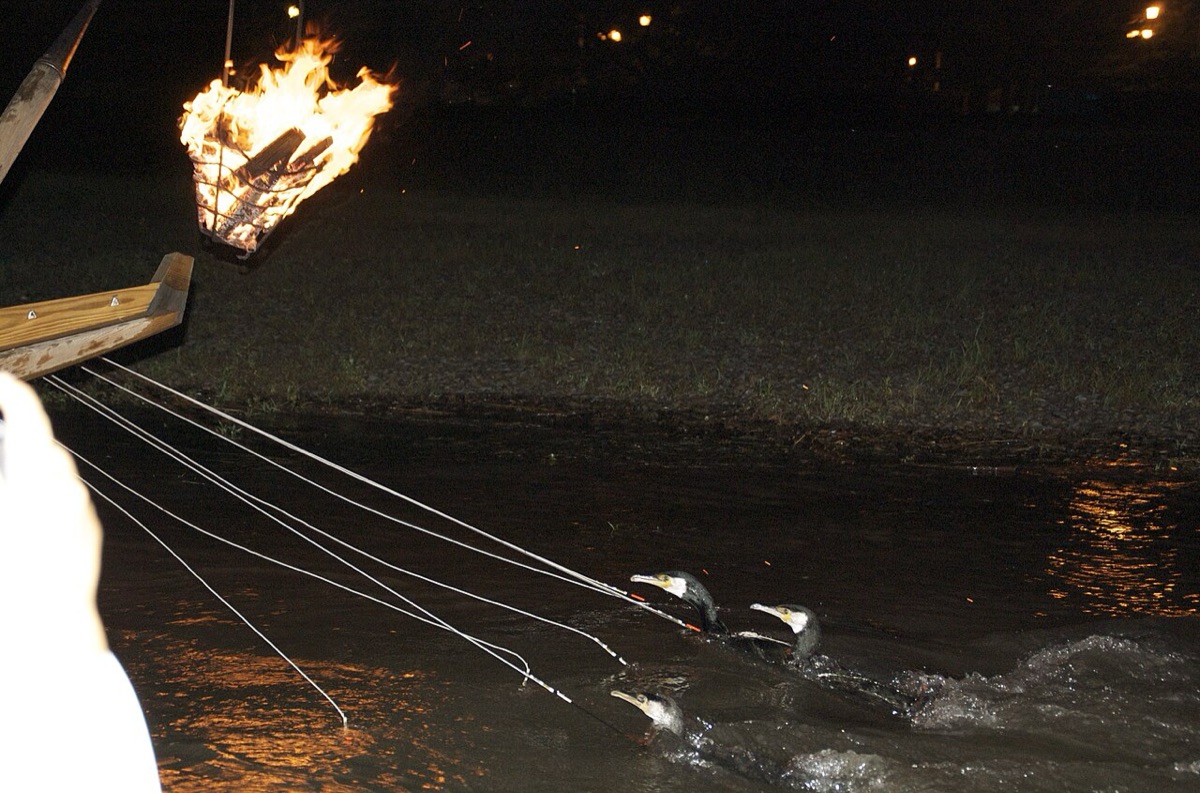
On summer evenings near Nagara Bridge in Gifu City, you can board a viewing boat and watch cormorant fishing, a practice with more than 1,300 years of history here. In the glow of bonfires, fishing masters in traditional dress call out "ho, ho" to their cormorants, which dive for sweetfish (ayu). These masters carry a title found nowhere else in Japan, official cormorant fishers of the Imperial Household Agency, and during the season they also hold sessions that catch ayu for the Imperial family. On busy days from July to September the fishing runs in two rounds. Gifu City is working toward UNESCO Intangible Cultural Heritage status. Book boats through the Gifu City Cormorant Fishing Viewing Boat Office; there is no fishing on rest days or when high water makes viewing impossible.
Sources
- OfficialGifu City Cormorant Fishing Viewing Boat Office www.ukai-gifucity.jp
- Date checkKumamoto Nichinichi Shimbun (Kyodo News) kumanichi.com
Last checked: Oct 11, 2026. Event information is based on official announcements, but changes may not always be reflected here. Please check each official website for accurate details.
Other events this month
On the day, see what locals are murmuring on the murmur map
murmur is an app that shows short, anonymous posts on a map, right where they were written. On festival day, open the map around the venue and see what people nearby are saying.